
 Fly with Us!
 In the general aviation community, the "$100 hamburger" is a beloved tradition—a simple excuse to rent an airplane, fly to a new airport, and grab lunch. But in California, pilots have upgraded this tradition to the "$200 steak."
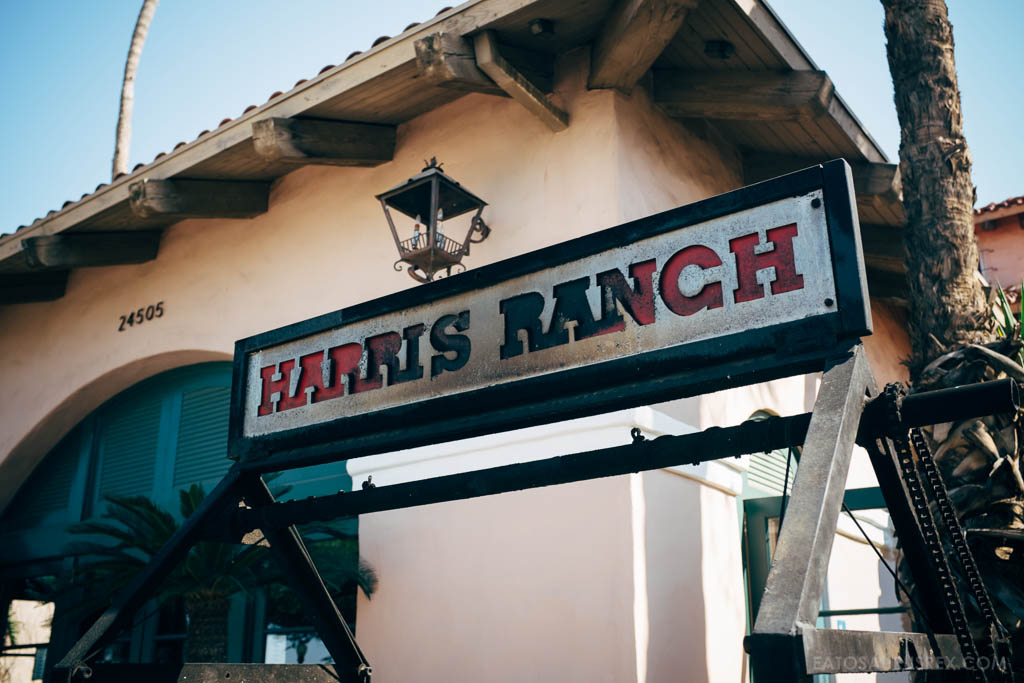
The ultimate destination for this culinary flight is Harris Ranch (3O8). Located in the heart of the San Joaquin Valley, Harris Ranch features a private-use, public-access runway situated literally feet away from a world-class resort and steakhouse. You land, tie down your aircraft, and walk directly into the restaurant.
Here is our complete pilot's guide to flying from Palo Alto Airport (KPAO) to Harris Ranch for the ultimate lunch run.
The Flight: Route and Navigation
The flight from Palo Alto to Harris Ranch is a scenic, straightforward cross-country of approximately 105 nautical miles south-southeast. Expect a flight time of 1 hour to 1 hour and 10 minutes (60 to 70 minutes) in standard training aircraft like the Cessna 172S Skyhawk SP or the Vans RV-12iST.
1. The Departure and Climb
Leaving Palo Alto, you’ll head south-southeast. You can remain clear of the San Jose Class C airspace or contact Norcal Approach for flight following.
2. Over the Hills to the Valley
You will need to climb to cross the Diablo Range. As you cross the hills, the San Luis Reservoir will appear off your nose as a major visual waypoint. Once past the reservoir, you enter the wide-open expanse of the Central Valley. From here, you can descend slightly and follow Interstate 5 south.
3. The Olfactory Waypoint
As you approach the town of Coalinga, you will encounter the famous visual and olfactory landmark of the Harris Ranch feedlots. The distinct aroma is a running joke among California pilots, but it serves as a foolproof indicator that you are close to your steak!
Landing at Harris Ranch Airport (3O8)
The Harris Ranch Airport is a private-use airstrip open to the public, meaning no prior permission is required to land, but you must be on top of your piloting skills.
- Runway: 14/32
- Dimensions: 2,820 feet long by 30 feet wide.
- Elevation: 468 feet MSL.
- Traffic Pattern: Right traffic for Runway 14 and standard left traffic for runway 32.
- Communications: CTAF is 122.8 MHz. Announce your positions clearly, as it can be a busy airport on sunny weekends.
The runway is relatively narrow (only 30 feet wide), which can create a visual illusion of being higher than you actually are on final approach.
After landing, taxi to the paved transient parking ramp on the east side of the runway. There is no taxiway, so you will need to turn around and back-taxi on the runway. Bring your own tie-down ropes or chocks. From the ramp, a security gate leads you straight onto the manicured grounds of the Harris Ranch Inn.
The Dining Experience
Once you walk through the gate, you are on the grounds of the resort.
- The Steakhouse: The formal Steakhouse offers a premium dining experience with cuts of beef aged to perfection. Because it is highly popular, reservations are highly recommended on weekends.
- The Ranch Kitchen: For a more casual meal, the Ranch Kitchen offers the same high-quality beef in a family-restaurant setting.
- The Country Store & Butcher Shop: Don't leave without visiting the butcher shop. They sell vacuum-packed, ice-chilled steaks that fit perfectly into the baggage compartment of your plane, allowing you to fly dinner back to the Peninsula.
Critical Flight Safety and Planning Tips
1. Summer Density Altitude
The Central Valley gets extremely hot in the summer, with temperatures regularly exceeding 100°F. Combined with a 2,820-foot runway, density altitude is a critical safety consideration. High temperatures thin the air, reducing both engine performance and aerodynamic lift. Calculate your takeoff distance carefully before departing KPAO, and double-check your climb performance charts for the return flight.
2. Weight & Balance
A full stomach, a passenger, full fuel, and a box of heavy prime steaks in the baggage area can push a light aircraft close to its maximum gross weight. Perform a weight and balance calculation beforehand, especially if you are flying a two-seat aircraft like the Cessna 162 or Vans RV-12iST.
3. Afternoon Winds
The Central Valley is known for gusty afternoon winds and thermal turbulence. Crosswinds on Runway 14/32 are common. Check the METAR for nearby Coalinga New Municipal (C80) to anticipate wind conditions.
Ready to Fly the Steak Run?
The Harris Ranch flight is a fantastic cross-country trip to build your hours, practice airspace transitions, and enjoy a premier general aviation destination.
If you are a member of Stanford Flying Club and need a cross-country sign-off or want to get checked out in our Cessna 172S Nav III or Light Sport fleet, contact one of our flight instructors to schedule a training flight to Harris Ranch today!