
 Fly with Us!
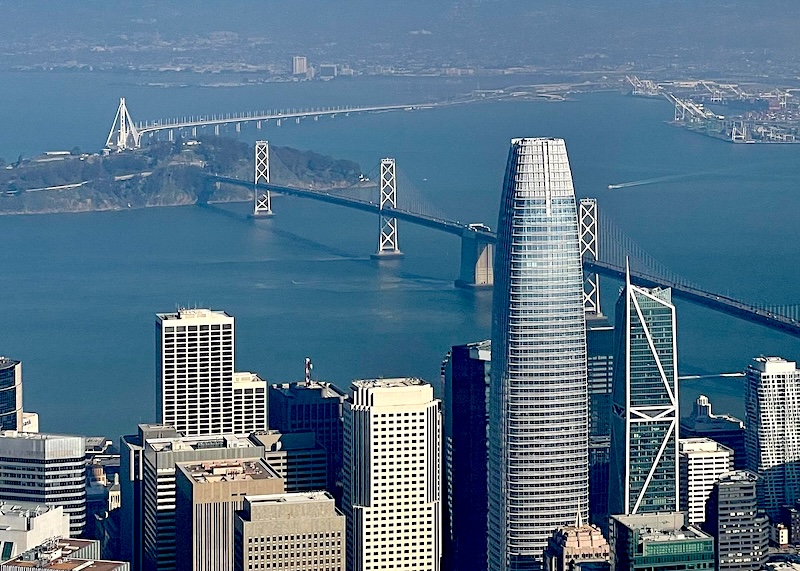 The "Bay Tour" is perhaps the most iconic VFR flight in the San Francisco Bay Area. For pilots at [Palo Alto Airport (KPAO)](/kpao.htm), it's a backyard treasure that offers breathtaking views of the Golden Gate Bridge, Alcatraz, and the San Francisco skyline. Whether you're taking friends up for the first time or practicing your radio work in busy airspace, a well-executed Bay Tour is a rite of passage.
Here is a guide on how to plan and fly the Bay Tour starting from KPAO.
Planning the Route
There are several ways to fly the tour, but the most common route involves flying north along the peninsula, circling the Golden Gate, and returning along the East Bay or "Mid-Bay."
1. The Departure
After departing KPAO, you'll typically head northwest toward the Stanford University campus. The Hoover Tower is a prominent landmark. From there, you can transition toward the Crystal Springs Reservoir (the "lakes") to stay west of the San Carlos (KSQL) and San Francisco (KSFO) Class B corridors.
2. The Transitions
You have two primary choices for getting past SFO:
- The Coastline: Fly west over the hills toward Half Moon Bay and then north along the Pacific coast. This keeps you well clear of the busiest airspace but requires crossing the ridges.
- The "Mid-Bay" or San Francisco Transition: Contact NorCal Approach (usually 120.1 or 135.1) and request a "Bay Tour." If traffic permits, they may clear you through the Class B at specific altitudes (often 3,500' or 2,500') directly over San Francisco International.
3. The Highlights
- The Golden Gate Bridge: This is the crown jewel. Most pilots fly a circle or a "figure eight" near the bridge. Be mindful of the "Golden Gate Bridge VFR Transition" altitude—usually, stay above 2,000' or follow NorCal's instructions to avoid bridge traffic and drones.
- Alcatraz & The Waterfront: A lap around "The Rock" provides incredible photo opportunities. Ensure you maintain a safe altitude over congested areas (1,000' above the highest obstacle).
- The Bay Bridge: Heading east from the city takes you toward the Bay Bridge and Treasure Island.
Communication is Key
The Bay Area is some of the busiest airspace in the world. Even on a VFR flight, Flight Following is highly recommended.
- Contact NorCal Approach: Shortly after departing Palo Alto tower, switch to NorCal.
- State your request clearly: "NorCal Approach, Cessna 172FS, off Palo Alto, request VFR Bay Tour with Bravo transition."
- Listen closely: Things move fast. Have your squawk code and altimeter settings ready.
Safety Considerations
- Weather: The San Francisco fog (Karl) can roll in rapidly. Always check the "Marine Layer" status before you head out. If the Golden Gate is obscured, don't force it.
- Traffic: On a sunny weekend, there might be dozens of aircraft doing the same tour. Keep your eyes outside! Use ADS-B In if you have it, but don't rely on it exclusively.
- Wake Turbulence: If you get a transition over SFO, you might be crossing paths with "Heavy" jets. Always stay above the flight path of larger aircraft.
- Birds: Large flocks of birds are common near the waterfront and the bridges.
Returning to KPAO
When you're finished, you can return via the "Coyote Hills" or "Dumbarton Bridge" landmarks. Contact Palo Alto Tower well in advance (usually around the San Mateo Bridge) to coordinate your entry into the pattern.
Flying the Bay Tour is a reminder of why we fly. It’s a challenging, rewarding, and visually stunning experience that never gets old. Blue skies!