
 Fly with Us!
 Airplane camping is one of the most rewarding ways to experience general aviation. It combines the freedom of flight with the serenity of the great outdoors, allowing you to wake up right next to your wings at remote backcountry strips or quiet island airports. If you are looking for destinations, check out our guide to [airport camping near Palo Alto Airport (KPAO)](/articles/airport-camping-near-palo-alto/). However, because space and weight are at a premium in any light aircraft, packing requires a strategic approach.
Here is a comprehensive guide on what to bring for a successful and comfortable airplane camping trip.
The Sleep System
Comfortable sleep is the difference between a great adventure and a long, tiring trip. Look for gear designed for backpacking to keep weight and volume down.
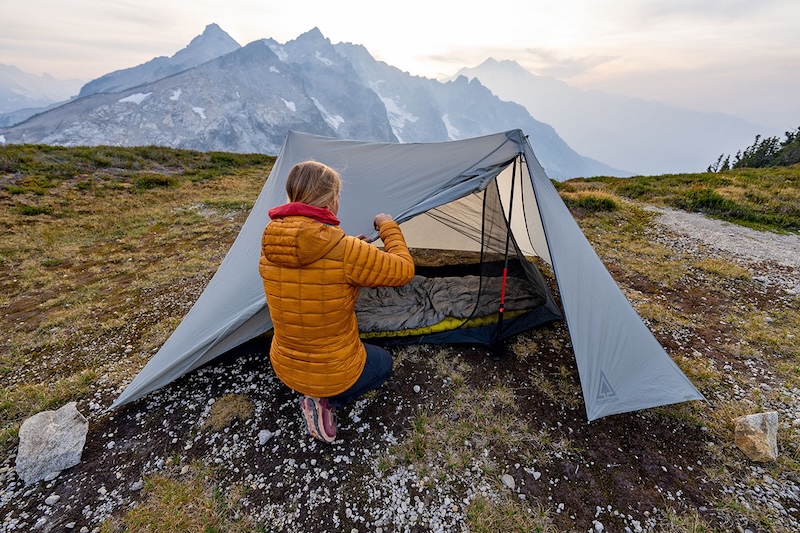
- Lightweight Tent: Choose a compact 2-person or 3-person tent (depending on your passenger count) that packs down small.
- Sleeping Bags or Quilts: Down quilts are often preferred for their packability, but a high-quality synthetic bag works well too.
- Inflatable Sleeping Pads: These provide critical insulation from the ground and are much more compact than foam pads.
- Inflatable Sleeping Pillows: A small luxury that makes a huge difference in sleep quality without taking up much space.
Airplane Security
When camping at an airport, the safety of your aircraft is paramount. Never rely solely on the airport providing equipment.
- Secure Airplane Tie-downs: Invest in a high-quality portable system. The Claw and Storm Force are industry favorites for their reliability in various soil types. Don't use the corkscrew tie-out stakes typically used for tethering a dog. The wind will rip them right out of the ground.
- Hammer: A sturdy hammer is essential for installing tie-down stakes into hard-packed earth.
- Tent Stakes: Bring extra heavy-duty stakes for your tent to ensure it stays put in high-wind environments.
Camp Comfort & Utility
Once the plane is secure, you’ll want to be able to relax and navigate the campsite after dark.
- Lightweight Folding Chairs: Compact "butterfly" style chairs are perfect for sitting under the wing.
- Flashlights & Headlamps: A headlamp is particularly useful for hands-free tasks like pre-flighting in the dark or cooking.
- Water Bottles: Always carry more water than you think you’ll need, as many remote strips do not have potable water.
- Power Bank to keep your personal electronic devices charged.
The Camp Kitchen & Hygiene
Staying clean and well-fed keeps morale high.
- Camp Kitchen: A small stove, a nesting pot set, and basic utensils.
- Dish Towels and Dish Soap: Essential for cleaning up after meals.
- Paper Towels & Trash Bags: Always follow "Leave No Trace" principles and pack out everything you pack in.
- Toilet Paper: Not every backcountry strip has a functional vault toilet.
Personal Items
- Sunblock: You'll be spending a lot of time outside and at higher altitudes where UV rays are stronger.
- Bug Repellent: Essential for those dusk hours by the runway.
Final Thoughts: Weight and Balance
Remember that while this list seems long, many of these items can be found in ultralight versions. Before you head out, always perform a careful weight and balance calculation. It’s often better to leave the extra cast-iron skillet at home to ensure you have a safe margin for fuel and climb performance.
Happy camping, and blue skies!